Natural Ant Nest Removal: Where to Search in Your Home
Few things are as unsettling as discovering a parade of ants marching through your kitchen or across your living room floor. While a lone scout ant might just be an anomaly, a persistent trail or a sudden influx of these tiny invaders is a clear signal: there's likely an ant nest hidden somewhere within your home. Unlike ants foraging in your garden, those nesting indoors pose a more direct and often persistent challenge. The key to successful, natural ant removal lies not just in deterring the ants you see, but in locating and addressing their hidden home base.
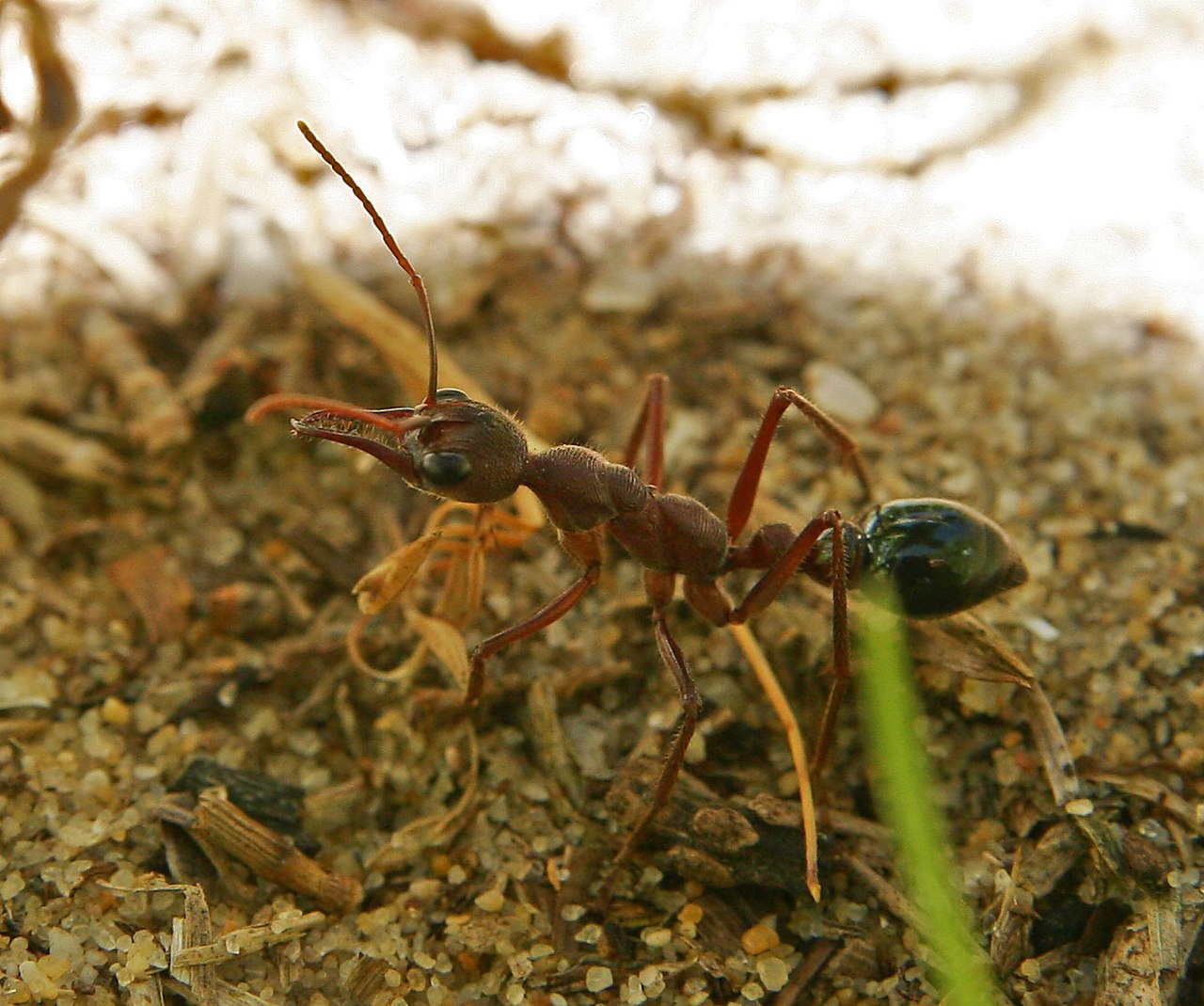
For many common household ants, finding their nest is the ultimate step towards regaining control. It's about understanding their movements, specifically how these busy insects, including species like the often tenacious Bulldoggen Ameisen, are finding their way back to their nest after a successful foraging mission. By observing their return journey, you can pinpoint the source of the infestation and implement targeted, natural solutions.
Why Finding the Nest is Crucial for Effective, Natural Removal
Imagine trying to stop a leak by simply mopping up the water without finding the broken pipe. That's essentially what happens when you only deal with the individual ants you see. Ants are social insects, living in complex colonies that can number in the thousands. The foraging ants you encounter are merely a small fraction of the entire population, sent out to find food and resources for the queen and the rest of the colony.
If you don't find and address the nest, the queen will continue to lay eggs, ensuring a never-ending supply of new workers. Natural methods, while effective, often rely on disrupting the entire colony's operations, which is best achieved by targeting the nest directly or understanding how the ants are finding their way back to their nest. This approach allows you to interrupt their food supply lines, disorient their navigation, and ultimately encourage them to relocate without resorting to harsh chemical treatments.
Tracking Ants Back to Their Nest: Your Investigation Guide
Finding an ant nest indoors can be more challenging than locating one in the garden, where tell-tale earth mounds or sand piles often give them away. Inside your home, nests are expertly hidden. Your primary tool will be diligent observation.
1. Follow the Ant Trail
This is arguably the most effective method. Ants create invisible pheromone trails to guide their colony members to food sources and back to the nest. When you see a "parade" of ants, follow it. Don't just watch them going one way; observe them in both directions. One path will lead to their food source, and the other will lead directly to their nest. This requires patience, as the trail might lead behind appliances, under floorboards, or into small cracks.
- Best Time to Observe: Ants are typically diurnal, meaning they are most active during the day. Set aside some time during daylight hours to closely watch their movements.
- Enhance the Trail (Optional): If you only see scattered ants, you can create an enticing "bait" to draw them out and establish a clearer trail. A small dab of honey, sugar water, or a sweet pastry crumb placed in an area where you've seen ants can act as an irresistible lure. Once they find it, they will quickly establish a trail as they carry the food back. This is precisely how you can observe the ants finding their way back to their nest after acquiring sustenance.
2. Lure Them Out of Hiding
Inspired by recommendations from organizations like PETA, using sweets can not only help establish a trail but also reveal hidden entry points. Place a small, irresistible treat near where you suspect ants might be entering your home. As they emerge from their secret passages to collect the food, you'll gain crucial clues about the precise location of their access points, which are often very close to the nest itself. This gives you direct evidence of how the ants are locating their nest fast with their bounty.
Common Indoor Nesting Locations
Ants choose indoor nesting sites for specific reasons: proximity to food and water, warmth, and security. They are masters of exploiting tiny crevices and hidden spaces. Here are the most common places to search:
- Wall Cracks and Voids: Ants frequently build nests within the spaces between your interior and exterior walls. Look for tiny entry and exit points, often near baseboards, electrical outlets, or plumbing fixtures.
- Floorboards and Subflooring: Gaps between floorboards or the spaces beneath them offer excellent shelter. Tapping lightly on the floor and listening for a hollow sound or observing ants emerging from seams can be indicators.
- Behind Cabinets and Built-in Furniture: The dark, undisturbed spaces behind kitchen cabinets, built-in shelving, or even appliances like dishwashers and refrigerators are prime locations.
- Pantries and Food Storage Areas: Given their quest for food, it's not surprising that ants might nest directly within your pantry, especially if there are spilled crumbs or easily accessible food items. Check under shelves, inside rarely moved containers, or behind stored goods.
- Basements and Cellars: These often damp, undisturbed environments are appealing. Look near stored items like garden tools, firewood, or boxes, and pay attention to areas with moisture, such as near pipes or water heaters.
- Window Sills and Door Frames: Damaged or rotting wood around windows and doors can create perfect nesting cavities.
- Under Carpets or Rugs: Especially if there's moisture damage underneath.
Any area that offers a quiet, dark, and slightly moist environment, particularly near a consistent food source, is a potential nest site. Remember, your goal is to follow the ants as they consistently show you the way by finding their way back to their nest with their findings.
Natural Strategies After Locating the Nest
Once you've identified the general location of the nest or their main entry points, it's time to implement natural deterrents. The goal is to disrupt their communication and make your home uninviting.
- Scent Barriers: Ants rely heavily on scent trails (pheromones) for navigation. Strong natural smells can disrupt these trails and disorient them.
- Herbs and Spices: Sprinkle dried lavender, mint, cinnamon, or bay leaves around entry points, windows, doors, and directly onto ant trails.
- Citrus Peels: Lemon or orange peels contain d-limonene, a natural insect repellent. Place them in affected areas.
- Vinegar: A spray bottle with a 1:1 solution of white vinegar and water can be used to wipe down countertops and floors, erasing ant trails and deterring new ones.
- Chalk Line: Drawing a thick line of chalk across entry points (windowsills, doorways) can act as a physical barrier. The fine powder interferes with their ability to grip surfaces and can also be irritating to their exoskeletons, which they perceive as a "toxic" barrier they prefer not to cross.
- Diatomaceous Earth (Food Grade): This non-toxic powder is made from fossilized algae. When ants walk over it, the microscopic sharp edges cut their exoskeletons, leading to dehydration. Sprinkle a thin layer in areas where you've seen activity or suspect a nest, but keep it dry for effectiveness.
- Borax and Sugar Bait (Use with Caution): A mixture of borax and sugar (e.g., 1 part borax to 3 parts sugar) mixed with a little water to form a paste can be attractive to ants. The worker ants will carry this back to the nest, where the borax acts as a slow-acting stomach poison for the entire colony. *Always use borax baits with extreme caution, especially in homes with pets or small children.*
- Seal Entry Points: Once you've found their access points, use caulk, spackle, or wood putty to seal any cracks, holes, or crevices in walls, floors, and around pipes. This prevents future access and can isolate existing nests.
- Sanitation: The simplest and most effective long-term prevention is impeccable cleanliness. Store food in airtight containers, wipe up spills immediately, sweep crumbs regularly, and don't leave pet food out overnight. Eliminating their food source removes the primary incentive for ants to nest indoors.
When to Call a Professional
While natural methods are often highly effective for common ant species and minor infestations, some situations may warrant professional intervention. If you're dealing with a particularly aggressive species, a massive infestation that seems resistant to all your efforts, or if the nest is in an inaccessible location (like deep within a wall cavity that requires structural modification), a pest control expert can offer more targeted solutions. However, for most household ant problems, understanding how to track them as they are finding their way back to their nest empowers you to take control naturally.
Conclusion
Discovering ants in your home can be frustrating, but it doesn't have to lead to a chemical battle. By understanding ant behavior, especially their diligent process of finding their way back to their nest, you can pinpoint the source of the problem. Patience, keen observation, and the strategic application of natural deterrents and barriers are your best tools. By following these steps, you can effectively locate and manage ant nests, encouraging these fascinating insects to find a home elsewhere, far from your living space, and restore peace to your household.