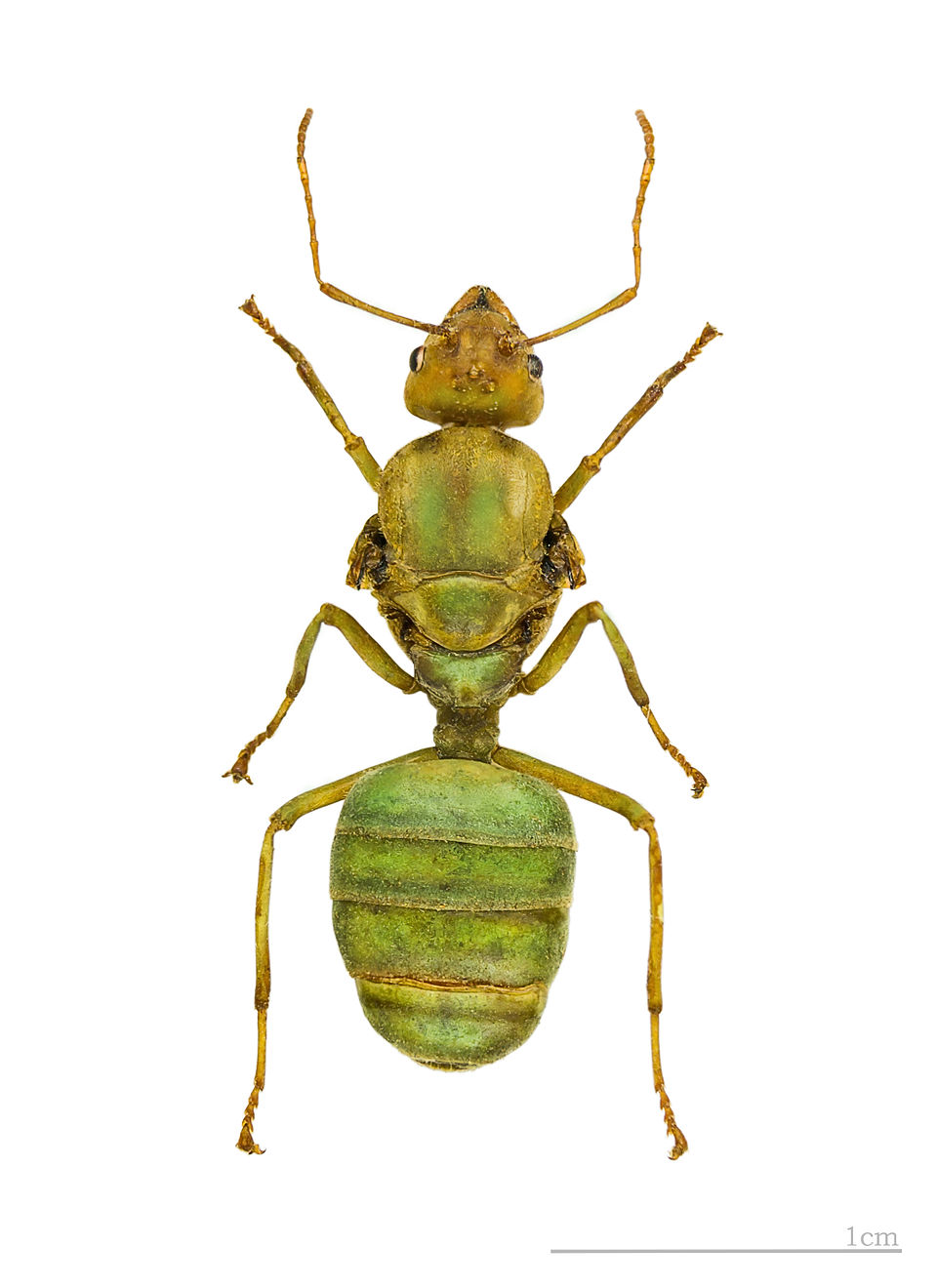
The sudden sight of a single ant scuttling across your kitchen counter might be easy to dismiss. However, when that single scout soon turns into a steady stream of industrious insects, marching in formation, it's a clear signal: you likely have an ant nest hidden somewhere inside your home. While fascinating in their organized complexity, ants are unwelcome guests indoors, and ignoring their presence will only lead to a larger infestation. The key to truly eradicating an indoor ant problem isn't just wiping out the visible foragers; it's about locating and addressing their hidden headquarters.
Ants, typically, are outdoor dwellers, diligently working to aerate soil and manage garden pests. So, why do these tiny creatures decide to set up shop within your walls? The answer is simple: food and shelter. They seek easily accessible provisions and a safe, stable environment to expand their colony, often opting for the convenience of a nearby indoor nest rather than making long treks from an outdoor one. This article will equip you with expert tips and tricks to uncover these elusive indoor ant nests, empowering you to take effective action.
Why Finding the Ant Nest is Crucial
Many homeowners make the mistake of focusing solely on the ants they can see. Spraying individual ants or laying out traps for foragers offers only a temporary reprieve. These visible ants are merely a small fraction of the entire colony, which can number in the thousands, all operating from a central nest. Without locating and neutralizing the nest, the queen will continue to lay eggs, producing an endless supply of new workers, and the infestation will persist.
Indoor ant nests pose several problems. Beyond the nuisance and unsightly trails, ants can contaminate food sources, as they often track bacteria from various surfaces into your pantry. Some species, like carpenter ants (though not the focus of the reference material, they are a relevant indoor ant), can even cause structural damage by excavating wood to build their nests. For common house ants, the primary concern remains hygiene and preventing them from becoming an entrenched part of your home environment. Therefore, understanding Ants in Your Home? How to Locate Their Nest Fast is paramount for long-term relief.
The Great Ant Hunt: Tracking Down the Hidden Colony
Unlike outdoor ant nests, which often manifest as visible mounds of soil or sand, indoor nests are cleverly concealed, making them much harder to pinpoint. This is where patience and keen observation become your most powerful tools. Ants are creatures of habit and follow specific patterns, especially when ants find their way back to their nest after foraging.
Observe the Ant Trail: Your Natural GPS
- Follow the Path: The most effective method is to observe the "ant highway" – the trail of ants marching in single file. Ants use invisible pheromone trails to communicate and guide each other to food sources and back to the nest. You need to follow this trail in both directions. One direction will lead you to their food source (which you should then remove or secure), and the other will lead you to their home.
- Timing is Key: Ants are primarily diurnal, meaning they are most active during the day. Dedicate some daytime hours to sit quietly and observe their movements without disturbing them. A magnifying glass can be incredibly helpful for detailed observation.
- Patience is a Virtue: Following a trail can take time, especially if the nest is well-hidden or the trail is long. Be persistent and follow every turn and corner.
Lure Them Out: A Sweet Strategy
If you're struggling to find a clear ant trail, you can strategically create one. Ants are often attracted to sweets, as highlighted by animal welfare organizations like PETA. Place a small amount of a sugary substance, like honey, jam, or a tiny dab of syrup, in an area where you've seen ants. This bait will attract foragers, and once they discover it, they will quickly lay down a pheromone trail for their nestmates to follow. Observing where these lured ants emerge from their hiding spots and where they eventually disappear after collecting their bounty can give you a strong indication of the nest's location. This method effectively shows you exactly how ants find their way back to their nest after a successful forage.
Common Hiding Spots for Indoor Ant Nests
Once you've started following a trail or identified an emergence point, you'll need to know where to focus your search. Ants are masters of concealment, preferring undisturbed, dark, and often moist environments. Here are some of the most common places where ants build nests indoors:
- Wall Voids and Cracks: Ants can squeeze through incredibly small openings. Look for tiny cracks or gaps in walls, especially near baseboards, window frames, or doorframes.
- Floorboards and Subflooring: Gaps between floorboards or in the subfloor can provide ample nesting space. Areas under carpets or linoleum are also prime locations.
- Kitchen and Pantry Cabinets: These areas are rich with potential food sources. Ants frequently nest inside cabinets, especially in corners, behind shelves, or even within the walls of built-in units.
- Basements, Attics, and Utility Closets: These less-frequented areas often provide the quiet, undisturbed environment ants crave. Look near stored items, especially cardboard boxes or piles of wood.
- Areas with Moisture: Ants are drawn to moisture. Check under sinks, around leaky pipes, near dishwashers, washing machines, or in bathrooms. Water-damaged wood is particularly attractive to some species.
- Electrical Outlets and Light Fixtures: The hollow spaces behind electrical plates or within light fixtures can serve as concealed nesting sites.
- Behind Appliances: Large appliances like refrigerators, ovens, or dishwashers create warmth and often provide hidden gaps leading to wall voids.
- Around Window Sills and Door Frames: These are common entry points from outside, and ants may decide to nest immediately upon entering if conditions are favorable.
Understanding these preferred locations is key to successful Natural Ant Nest Removal: Where to Search in Your Home, allowing you to narrow down your search efficiently.
Action Time: What to Do Once You've Found the Nest
Discovering the ant nest is a significant victory, but it's only the first step. Your next actions should focus on disrupting the colony and preventing future infestations, ideally with methods that are safe for your household and pets.
Disrupting Their Senses with Natural Deterrents
Once you've located the ant trail or potential nest entry points, you can use natural substances to disorient them and discourage their presence. Ants rely heavily on their sense of smell for navigation and communication. Strong, natural scents can overwhelm their pheromone trails, making it difficult for ants to find their way back to their nest or to their food sources:
- Aromatic Herbs and Spices: Scatter dried lavender, mint leaves, cinnamon, or citrus peels (lemon, orange) near entry points, windows, doors, and along visible ant trails. The intense aromas confuse and repel them.
- Vinegar: A mixture of white vinegar and water (50/50) can be sprayed directly on ants and along trails. The strong smell effectively erases pheromone trails.
- Chalk Barriers: Drawing a thick line of chalk (like sidewalk chalk) across entryways or thresholds can act as a deterrent. The calcium carbonate in chalk is abrasive to ants and disrupts their ability to cross, effectively creating a barrier they prefer not to traverse. Ensure the line is thick and unbroken.
Addressing the Root Cause and Sealing Entry Points
While deterrents can help, permanent removal requires more. Once the nest is located, you can consider various removal methods, from natural baits (like borax and sugar solutions, used with caution away from pets/children) to diatomaceous earth (a natural insecticide that dehydrates ants). The best approach depends on the nest's accessibility and your comfort level.
Crucially, after dealing with the nest, focus on prevention:
- Eliminate Food Sources: Keep food stored in airtight containers. Clean up crumbs and spills immediately. Don't leave pet food out overnight.
- Manage Moisture: Fix leaky pipes, ensure good ventilation in bathrooms, and keep basements dry.
- Seal Entry Points: Once you've identified where ants are entering or nesting, seal cracks in walls, gaps around pipes, and openings around windows and doors with caulk or expanding foam. This prevents new colonies from moving in and isolates any remaining ants.
For persistent or large infestations, especially if the nest is in an inaccessible location or you suspect a more destructive species like carpenter ants, it's always wise to consult with a professional pest control service. They have the expertise and tools to safely and effectively eradicate the colony.
Conclusion
Finding an ant nest indoors can feel like a daunting task, but with a methodical approach, keen observation, and a bit of patience, it's entirely achievable. By understanding why ants enter your home, following their intricate trails, and knowing their preferred hiding spots, you can transform from a frustrated homeowner into an effective ant detective. Remember, addressing the source of the problem – the nest itself – is the only way to achieve lasting freedom from these tiny invaders. Implement these expert tips and regain control of your home, ensuring your indoor spaces remain ant-free.