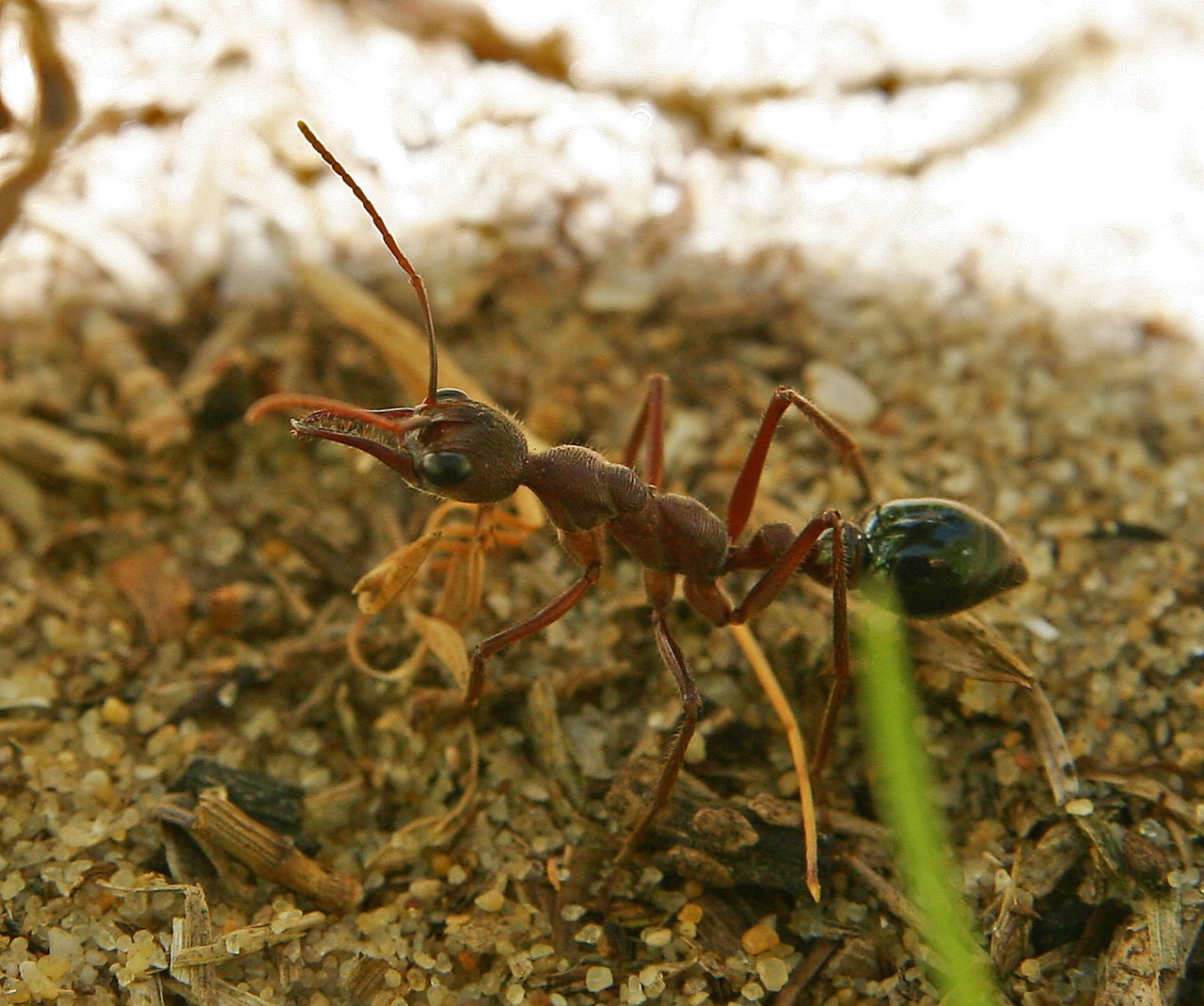
The sudden appearance of ants marching in a neat line across your kitchen counter can quickly turn daily calm into a minor crisis. While a lone scout ant might not raise immediate alarm, a steady procession is a clear signal: there’s an ant nest nearby. And when that nest is nestled within the confines of your home, it's not just an inconvenience; it's a call to action. You're not alone in facing this challenge, as ants are among the most common household pests. But how do you go from spotting a few invaders to pinpointing the exact location of their hidden colony?
The key to effective and lasting ant removal isn't just about deterring individual insects; it's about finding and addressing the source. Whether you're dealing with common black garden ants, pavement ants, or even larger species, understanding their behavior and preferred nesting spots is your first line of defense. This comprehensive guide will equip you with the knowledge and strategies to locate ant nests in your home swiftly, helping you reclaim your space without resorting to harsh chemicals.
Why Finding the Ant Nest is Crucial for Effective Removal
Many homeowners make the mistake of focusing solely on the visible ants, spraying them away or setting out traps. While this might offer temporary relief, it’s akin to treating a symptom without addressing the root cause. If the nest remains intact, new ants will simply emerge, continuing the cycle of infestation.
Locating the ant nest is paramount for several reasons:
- Long-Term Solution: Removing the queen and the colony eliminates the source of the problem, preventing future generations from invading your home.
- Preventing Contamination: Ants are constantly foraging for food, and in doing so, they can contaminate your stored food, pantry items, and even food preparation surfaces. Finding and eliminating their nest reduces the risk of foodborne illnesses.
- Minimizing Damage: Some ant species, like carpenter ants, can cause structural damage by tunneling through wood to create their nests. While not all ants pose this threat, it’s best to identify and remove the nest before potential damage escalates.
- Targeted Treatment: Once the nest is located, you can apply targeted treatments, often using less product and achieving better results than broad, indiscriminate applications. This is especially beneficial if you prefer natural and non-toxic removal methods.
Understanding ant behavior, particularly how they navigate and communicate, is your biggest asset in this detective work. Every ant you see is likely part of a sophisticated network, and its movements can provide vital clues to the colony's whereabouts. Just like many other ant species, including the formidable Bulldoggen Ameisen, finden zurück in ihr Nest indem sie rely on precise navigation methods to ensure the survival and prosperity of their colony.
Decoding Ant Behavior: Your Guide to Nest Location
Unlike nests found in gardens, which often present as visible mounds of soil or sand, indoor ant nests are typically hidden from plain sight. This means you need to become an astute observer of ant behavior. The most effective method is to follow their trails and use strategic baiting.
Following the Ant Trail: A Biological GPS
Ants, particularly common house ants and black garden ants, don't wander aimlessly. They establish invisible highways using pheromones – chemical scents that guide their colony members. These "ant roads" lead from the nest to a food source and back again. Your mission is to follow these highways in both directions.
- Observe Closely: Ants are primarily diurnal, meaning they are most active during the day. Dedicate some time during daylight hours to simply watch them. Where do they appear from? Where do they disappear to?
- Two-Way Traffic: Pay attention to ants moving in both directions. Ants carrying food fragments are heading back to the nest, while those without food are likely on their way to a foraging site. Following the ants returning to their nest is often the most direct route to the colony.
- Patience is Key: Ant trails can be long and winding, leading into unexpected cracks, behind appliances, or under floorboards. Be patient and persistent as you track their journey.
Baiting for Clues: Luring Them Out
If you're struggling to find a clear trail, you can encourage ants to reveal their nest location by offering them an irresistible treat. As suggested by animal welfare organizations like PETA, using sweet foods can be highly effective:
- Choose Your Bait: Ants are often drawn to sugary substances. A tiny dab of honey, jam, or sugar water placed near where you've seen ant activity can act as an excellent lure.
- Strategic Placement: Place the bait in areas where you suspect ants might be entering or hiding. Once they discover the food, they will quickly establish a trail leading directly back to their nest to share the bounty with the queen and larvae.
- Observe the Outcome: Watch carefully as ants discover the bait and begin to carry it away. The path they take will lead you closer to their hidden home. This method capitalizes on their natural foraging instincts, turning their quest for sustenance into your navigational aid.
Where Do Ants Hide Their Nests Indoors? Common Locations
Ants are masters of concealment. Unlike their outdoor counterparts who build visible mounds, indoor ants prefer secluded, dark, and often moist environments. Here are the most common places to search:
- Wall Cavities and Cracks: Ants frequently build nests within the voids of walls, especially if there are existing cracks, gaps around pipes, or loose plaster.
- Behind Baseboards and Under Floorboards: These hidden spaces offer perfect shelter and easy access to other areas of the home.
- Under Appliances: Refrigerators, dishwashers, and washing machines often create warm, moist environments with tiny crevices for ants to exploit.
- Kitchen and Pantry Cabinets: Given their proximity to food sources, built-in cabinets, especially those with crumbs or spills, are prime nesting sites.
- Bathrooms: Leaky pipes, condensation, and general moisture make bathrooms attractive to ants needing water. Look under sinks, around toilets, and behind tiles.
- Basements and Attics: These areas, often less frequented and prone to humidity, can house nests, especially if there's stored firewood, old boxes, or any decaying wood.
- Window and Door Frames: Gaps around frames can provide entry points and nesting opportunities, particularly if the wood is slightly damp or decaying.
- Around Pipes and Vents: Ants often follow utility lines, using the small gaps around pipes or air vents as highways and nesting sites.
It's important to remember that different ant species have varying preferences. Carpenter ants, for instance, prefer damp or decaying wood, while pavement ants might nest under concrete slabs and enter through foundation cracks.
Actionable Steps: What to Do Once You've Found the Nest
Once you've successfully located the ant nest, the next step is effective and humane removal. While chemical pesticides are an option, many natural methods can be surprisingly effective and safer for your family and pets. The goal is to disrupt their colony and deter future invasions.
Natural Deterrents and Disruptors
Many common household items can interfere with ants' ability to navigate and discourage them from nesting or foraging in your home:
- Scent Overload: Ants rely heavily on their sense of smell. Strong scents can confuse their pheromone trails, making it difficult for them to find their way. Sprinkle lavender, mint, cinnamon, or lemon peels near entry points (windows, doors) and directly onto ant trails. Essential oils like peppermint or tea tree oil diluted in water can also be sprayed.
- Chalk Barriers: A thick line of chalk (the kind children use) drawn across windowsills, doorways, or any entry point can create an effective barrier. The chalk contains calcium carbonate, which ants dislike crossing as it can irritate their exoskeletons and disrupt their scent trails. Ensure the line is thick and continuous.
- Vinegar Solution: White vinegar is another powerful, natural repellent. Mix equal parts white vinegar and water in a spray bottle and use it to clean surfaces where ants have been seen. The strong smell not only deters ants but also erases their pheromone trails.
Physical Barriers and Prevention
Beyond deterrents, physical actions are crucial for long-term prevention:
- Seal Entry Points: Once you've identified where ants are entering, seal cracks in walls, gaps around pipes, and crevices around window and door frames with caulk or expanding foam. This physically blocks their access.
- Eliminate Food Sources: Store all food in airtight containers. Clean up crumbs and spills immediately. Don't leave pet food out overnight. A clean home is less attractive to ants.
- Address Moisture Issues: Repair leaky faucets, pipes, and address any dampness issues. Ants are often attracted to moisture, so eliminating these sources can make your home less inviting.
For more detailed strategies on tackling hidden nests and using various removal techniques, explore these resources: Find Hidden Ant Nests Indoors: Expert Tips & Tricks and Natural Ant Nest Removal: Where to Search in Your Home. If the infestation is severe, the nest is inaccessible, or you're dealing with a species known for causing damage (like carpenter ants), it might be wise to consult a professional pest control service. They have specialized tools and knowledge to safely and effectively remove the colony.
Conclusion
Finding an ant nest in your home doesn't have to be an overwhelming challenge. By understanding ant behavior, meticulously following their trails, and strategically using bait, you can pinpoint their hidden colonies. Once located, a combination of natural deterrents, physical barriers, and diligent home maintenance will help you remove the current infestation and prevent future unwelcome guests. Remember, patience and persistence are your greatest allies in this endeavor. With these strategies, you can confidently reclaim your home and enjoy an ant-free environment.